Anemia
Understanding anemia in rural women
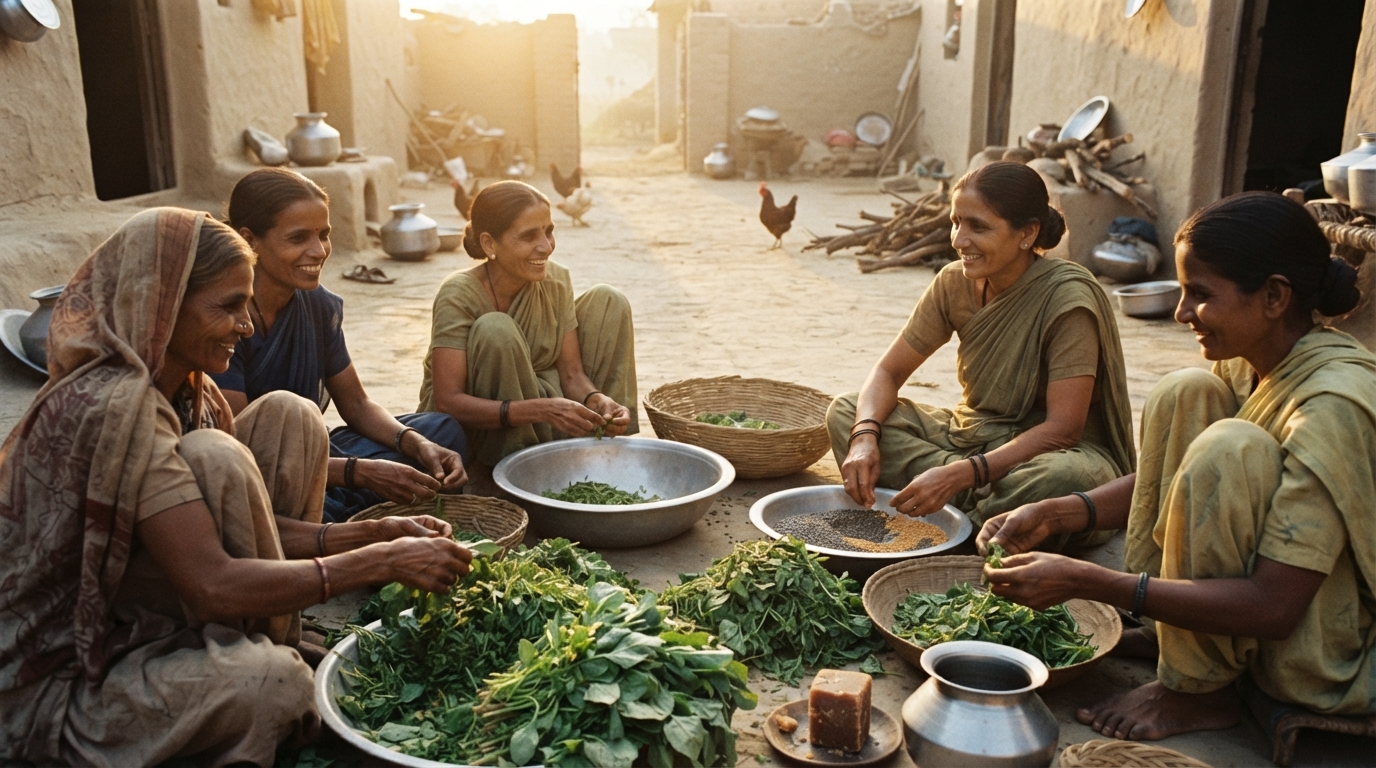 Representative image
Anemia is one of the most common health problems facing women in rural India, and one of the most overlooked. It develops slowly, its signs are easy to dismiss, and it rarely feels like an emergency. Yet it quietly drains a woman's energy, weakens her pregnancies, and makes everyday work harder than it needs to be.
What anemia actually is
Anemia means the blood does not carry enough healthy red cells, or enough of the iron-rich protein called hemoglobin, to move oxygen around the body. When oxygen runs low, the body slows down. The most common cause in Indian women is a simple shortage of iron in the diet, often made worse by heavy monthly periods, closely spaced pregnancies, or infections.
The scale is hard to ignore. According to NFHS-5 (2019–21), about 57% of Indian women aged 15 to 49 are anemic. That is more than half. For most of them, the condition is treatable and preventable once it is found.
Signs worth noticing
Anemia is easy to miss because tiredness feels normal when life is busy. Still, some signs are worth paying attention to:
- Constant fatigue or breathlessness during ordinary work
- Pale skin, lips, or the inside of the eyelids
- Dizziness, headaches, or a racing heart
- Poor concentration, or feeling cold often
- Brittle nails, or unusual cravings for things like mud or ice
None of these prove anemia on their own. A simple blood test does. That is why screening matters so much: it turns a vague feeling of always being tired into something a health worker can actually treat.
Food that helps
Good nutrition does not have to be expensive or come from a city market. Many iron-rich foods are already grown or sold close to home:
- Green leafy vegetables such as spinach, bathua, and drumstick leaves
- Whole pulses, chana, rajma, and sprouts
- Jaggery (gud) in place of refined sugar
- Beetroot, dates, and seasonal fruit
- Small amounts of egg, fish, or meat where families eat them
Eating vitamin C alongside these foods, a slice of lemon, amla, or tomato, helps the body absorb iron better. Drinking tea right after a meal does the opposite, so it is worth leaving a gap.
When to seek help
Iron-rich food is a foundation, but food alone is not always enough, especially during pregnancy. Many women need iron and folic acid tablets, which are available free at government health centres. A woman should seek help sooner rather than later if she feels breathless doing light work, if tiredness does not lift, or if she is pregnant and has not had her blood checked.
How our camps fit in
Jeevan Shobha is new, and we are honest about that. Our first health camps are being planned to bring simple anemia screening closer to villages, so a woman does not have to travel hours for a basic blood test. Where we find anemia, we want to explain it plainly, suggest local foods that help, and connect women to the tablets and follow-up care they are entitled to.
Anemia is common, but it does not have to be accepted. A test, a little knowledge, and steady care can change how a woman feels every single day.
एनीमिया, यानी खून की कमी, ग्रामीण भारत की महिलाओं में सबसे आम स्वास्थ्य समस्याओं में से एक है, और सबसे ज़्यादा अनदेखी की जाने वाली भी। यह धीरे-धीरे बढ़ता है, इसके लक्षण मामूली लगते हैं, और यह कभी आपातकाल जैसा महसूस नहीं होता। फिर भी यह चुपचाप महिला की ताक़त छीन लेता है, गर्भावस्था को कमज़ोर करता है और रोज़मर्रा के काम को ज़रूरत से ज़्यादा कठिन बना देता है।
एनीमिया आख़िर है क्या
एनीमिया का मतलब है कि खून में शरीर तक ऑक्सीजन पहुँचाने के लिए पर्याप्त स्वस्थ लाल कोशिकाएँ या हीमोग्लोबिन नहीं होते। जब ऑक्सीजन कम पड़ती है, तो शरीर सुस्त पड़ जाता है। भारतीय महिलाओं में इसका सबसे आम कारण आहार में लोहे (आयरन) की कमी है, जो भारी मासिक धर्म, पास-पास होने वाली गर्भावस्थाओं या संक्रमण से और बढ़ जाती है।
आँकड़े नज़रअंदाज़ करना मुश्किल है। एनएफएचएस-5 (2019–21) के अनुसार, भारत में 15 से 49 वर्ष की लगभग 57% महिलाएँ एनीमिया से ग्रस्त हैं। यह आधी से भी ज़्यादा है। अच्छी बात यह है कि पहचान हो जाने पर ज़्यादातर मामलों में इसका इलाज और बचाव दोनों संभव है।
जिन लक्षणों पर ध्यान देना चाहिए
एनीमिया को पहचानना मुश्किल होता है, क्योंकि व्यस्त जीवन में थकान सामान्य लगती है। फिर भी कुछ संकेतों पर ध्यान देना ज़रूरी है:
- सामान्य काम में भी लगातार थकान या साँस फूलना
- त्वचा, होंठ या पलक के भीतर का हिस्सा पीला दिखना
- चक्कर आना, सिरदर्द या दिल की धड़कन तेज़ होना
- ध्यान न लगना, या बार-बार ठंड लगना
- नाखून कमज़ोर होना, या मिट्टी और बर्फ़ जैसी चीज़ें खाने का मन करना
ये लक्षण अकेले एनीमिया साबित नहीं करते। एक साधारण खून की जाँच ही इसे बताती है। इसीलिए स्क्रीनिंग इतनी ज़रूरी है: यह हमेशा थके रहने की धुँधली-सी भावना को ऐसी चीज़ में बदल देती है जिसका इलाज स्वास्थ्यकर्मी सचमुच कर सकता है।
कौन-सा भोजन मदद करता है
अच्छा पोषण महँगा होना या शहर के बाज़ार से आना ज़रूरी नहीं। लोहे से भरपूर कई चीज़ें घर के पास ही उगती या मिलती हैं:
- पालक, बथुआ और सहजन जैसी हरी पत्तेदार सब्ज़ियाँ
- साबुत दालें, चना, राजमा और अंकुरित अनाज
- चीनी की जगह गुड़
- चुकंदर, खजूर और मौसमी फल
- जहाँ परिवार खाते हों, वहाँ थोड़ी मात्रा में अंडा, मछली या मांस
इनके साथ विटामिन सी वाली चीज़ें, जैसे नींबू, आँवला या टमाटर, खाने से शरीर लोहे को बेहतर सोख पाता है। भोजन के तुरंत बाद चाय पीने से इसका उल्टा असर होता है, इसलिए थोड़ा अंतर रखना अच्छा है।
मदद कब लें
लोहे से भरपूर भोजन एक नींव है, पर अकेला भोजन हमेशा काफ़ी नहीं होता, ख़ासकर गर्भावस्था में। कई महिलाओं को आयरन और फ़ॉलिक एसिड की गोलियाँ चाहिए होती हैं, जो सरकारी स्वास्थ्य केंद्रों पर निःशुल्क मिलती हैं। अगर हल्के काम में साँस फूले, थकान न मिटे, या गर्भवती महिला की खून की जाँच न हुई हो, तो देर किए बिना मदद लेनी चाहिए।
हमारे शिविर कैसे जुड़ते हैं
जीवन शोभा नया है, और हम यह खुलकर कहते हैं। हमारे पहले स्वास्थ्य शिविरों की योजना इसलिए बन रही है ताकि साधारण एनीमिया जाँच गाँवों के क़रीब पहुँच सके, और किसी महिला को एक बुनियादी खून की जाँच के लिए घंटों सफ़र न करना पड़े। जहाँ एनीमिया मिलेगा, हम उसे सरल भाषा में समझाना चाहते हैं, मददगार स्थानीय भोजन बताना चाहते हैं, और महिलाओं को उनके हक़ की गोलियों तथा अनुवर्ती देखभाल से जोड़ना चाहते हैं।
एनीमिया आम है, पर इसे स्वीकार कर लेना ज़रूरी नहीं। एक जाँच, थोड़ा ज्ञान और लगातार देखभाल किसी महिला के हर दिन को बदल सकती है।